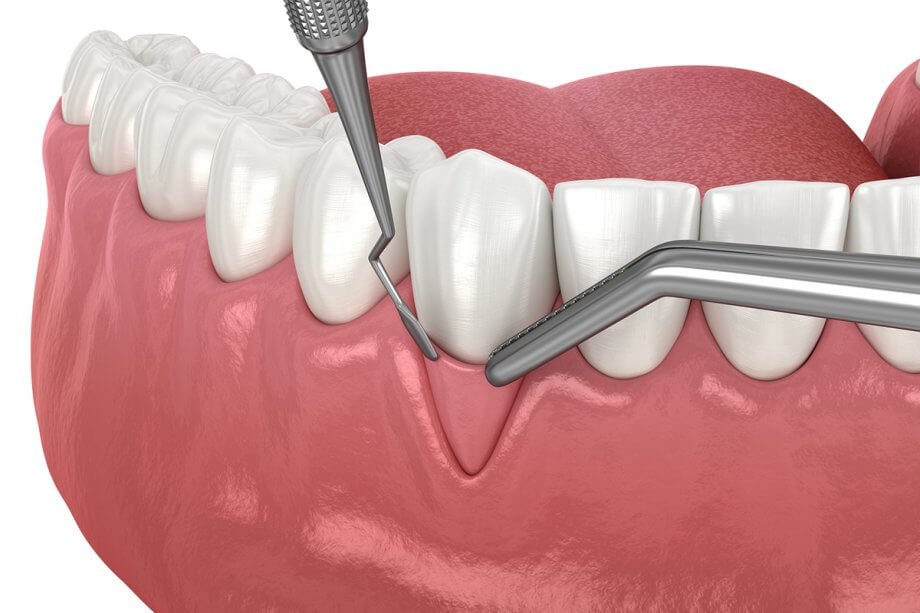
Gum recession is a common dental concern that can affect both oral health and appearance. When the gum tissue pulls away from the teeth, it can expose tooth roots, increase sensitivity, and raise the risk of decay or infection. For many patients, gum grafting is an effective way to restore lost tissue, protect the teeth, and improve long term oral health.
At Holzinger Periodontics & Dental Implants, patients often ask which type of gum graft is best for their specific needs. The answer depends on several factors, including the severity of recession, the location of the affected teeth, and overall oral health. Understanding the different types of gum grafts can help you feel more confident when discussing treatment options with your periodontist.
Why Gum Grafting May Be Necessary
Gum recession can develop for a variety of reasons. Common causes include periodontal disease, aggressive brushing habits, genetic factors, misaligned teeth, and clenching or grinding. As the gums recede, the tooth roots become exposed, which can lead to sensitivity when eating or drinking hot or cold foods. Exposed roots are also more vulnerable to decay and wear since they lack the protective enamel that covers the crown of the tooth.
Beyond discomfort, untreated gum recession can compromise the stability of your teeth. Supporting bone and tissue may continue to deteriorate, increasing the risk of tooth loss over time. Gum grafting helps address these concerns by reinforcing the gum line, covering exposed roots, and creating a healthier environment that is easier to keep clean.
Connective Tissue Grafts
Connective tissue grafts are the most commonly performed type of gum graft. This procedure involves taking a small section of tissue from beneath the surface of the roof of the mouth, known as the palate. The outer layer of palatal tissue is gently lifted, and the connective tissue underneath is removed. That tissue is then placed over the exposed tooth roots and secured in position.
This type of graft is often recommended for patients with moderate to severe gum recession. Connective tissue grafts are highly effective at covering exposed roots and improving gum thickness. Patients typically experience predictable healing and long lasting results. While there may be some temporary discomfort at the donor site, most patients find recovery manageable with proper aftercare.
Free Gingival Grafts
Free gingival grafts are similar to connective tissue grafts, but the technique differs slightly. Instead of taking tissue from beneath the surface of the palate, a small piece of tissue is taken directly from the roof of the mouth. This tissue is then placed onto the area where the gums have receded.
This approach is often used for patients who naturally have thin gum tissue and need additional thickness to prevent future recession. Free gingival grafts are especially helpful when the primary goal is to strengthen the gum line rather than completely cover exposed roots. While healing may take a bit longer at the donor site, this method can be very effective for improving gum stability.
Pedicle Grafts
Pedicle grafts use gum tissue that is already adjacent to the area of recession. Instead of taking tissue from the palate, the periodontist partially cuts a flap of nearby gum tissue and stretches it over the exposed root. The tissue remains connected at one end, which helps maintain its blood supply during healing.
Pedicle grafts are typically an option when there is sufficient healthy gum tissue near the affected tooth. Because the tissue comes from the surrounding area, patients may experience less discomfort compared to grafts that require tissue from the palate. This method can offer excellent cosmetic results when conditions are right.
Donor Tissue Grafts
In some cases, donor tissue may be used instead of tissue from the patient’s own mouth. This material is usually obtained from a certified tissue bank and processed for safety. Donor tissue grafts eliminate the need for a second surgical site, which can reduce discomfort and shorten recovery time.
This option may be recommended for patients who need grafting in multiple areas or who prefer to avoid tissue removal from the palate. Donor tissue grafts have been shown to integrate well with natural gum tissue and can provide reliable results when performed by an experienced periodontist.
Choosing the Right Gum Graft for Your Needs
Selecting the most appropriate graft depends on several individualized factors. The location and extent of gum recession play a major role, as does the thickness of existing gum tissue. Aesthetic considerations may also influence the decision, especially when front teeth are involved. Your periodontist will evaluate your oral health, review your medical history, and discuss your goals before recommending a specific approach.
Patients considering gum grafting often benefit from a personalized consultation. During this visit, digital imaging and a comprehensive examination help determine which technique will provide the best balance of health, function, and appearance. When planned carefully, gum grafting can offer both immediate protection and long term stability.
What to Expect During Recovery
Recovery after gum grafting varies based on the type of procedure performed and the number of areas treated. Most patients experience mild swelling and tenderness for a few days following surgery. A soft food diet is usually recommended during the initial healing period, along with gentle oral hygiene practices.
Following post operative instructions is essential for successful healing. This may include avoiding brushing near the graft site temporarily, using prescribed rinses, and attending follow up visits to monitor progress. With proper care, the grafted tissue gradually integrates with the surrounding gums, creating a natural and healthy appearance.
Long Term Benefits of Gum Grafting
The benefits of gum grafting extend beyond symptom relief. By covering exposed roots and reinforcing the gum line, the procedure helps protect against further recession and bone loss. Patients often notice reduced sensitivity and improved comfort when eating or drinking.
From an aesthetic standpoint, gum grafting can create a more balanced and uniform smile. For many patients, restoring the gum line also makes daily oral hygiene easier, supporting better long term periodontal health. When combined with good home care and regular professional cleanings, the results can last for many years.
Protecting Your Smile with the Right Gum Grafting Solution
Understanding the different types of gum grafts is an important step toward protecting your oral health. Whether you need to address existing gum recession or prevent future issues, gum grafting can be a highly effective solution. A personalized evaluation with a periodontal specialist can help determine the best approach for your specific needs and goals.
Frequently Asked Questions About Gum Grafting
Is gum grafting painful?
Most patients report mild to moderate discomfort that can be managed with prescribed or over the counter pain medication. Advances in techniques and anesthesia make the procedure more comfortable than many expect.
How long does gum grafting last?
When combined with good oral hygiene and regular dental visits, the results of gum grafting can last for many years. Maintaining healthy habits is key to long term success.
At Holzinger Periodontics & Dental Implants, we focus on providing advanced periodontal care tailored to each patient’s needs. Our team is committed to helping patients achieve healthier gums, stronger teeth, and confident smiles through personalized treatment planning. If you are considering gum grafting or other periodontal procedures, contact us today to schedule a consultation.